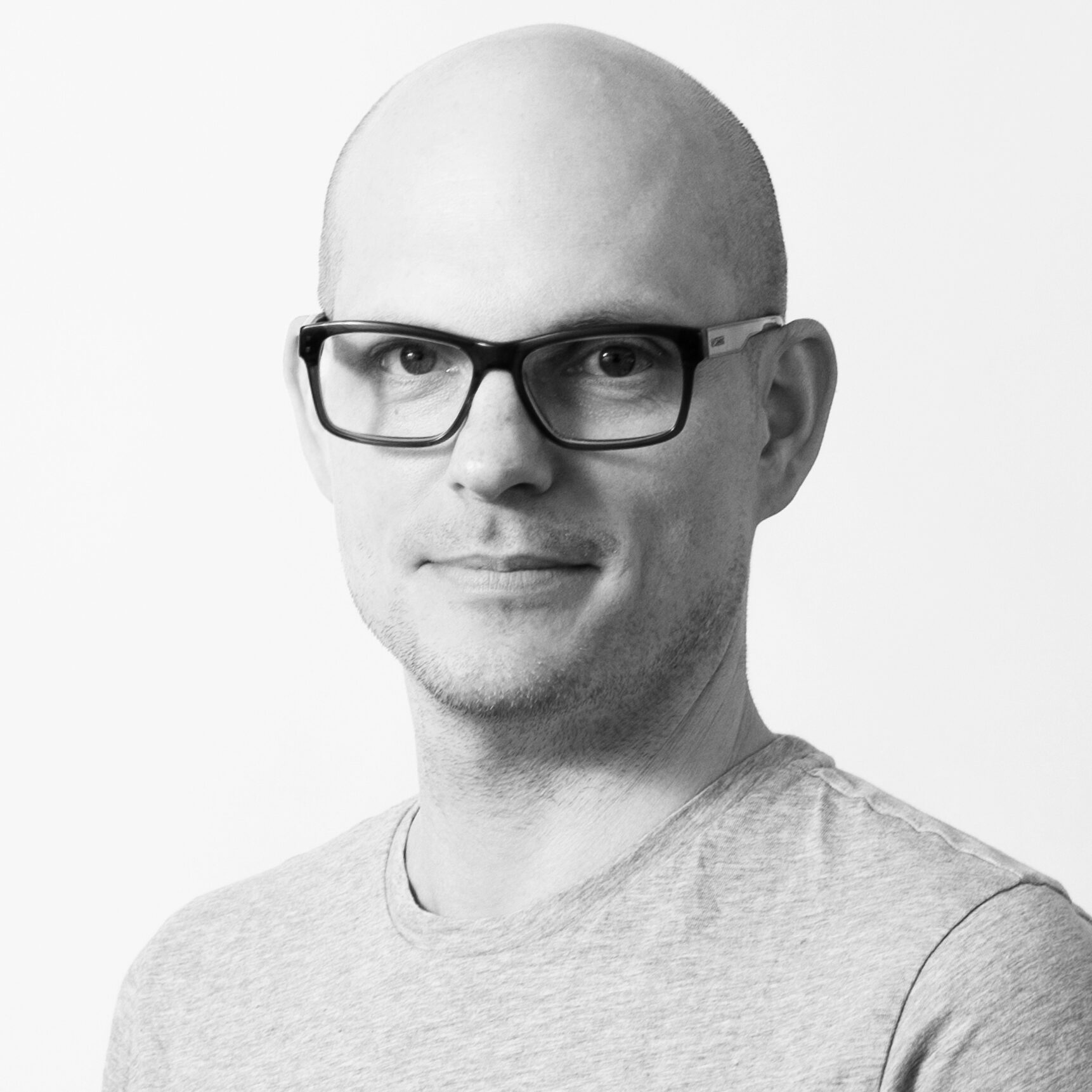
Christian Leinweber
MaibornWolff


ธันวาคม 15, 2565 | 3:00 - 3:50 หลังเที่ยง (UTC) เวลาสากลเชิงพิกัด
พร้อมที่จะเริ่มต้นใช้งาน AI และเทคโนโลยีล่าสุดหรือไม่ Microsoft Reactor มีกิจกรรม การฝึกอบรม และทรัพยากรของชุมชนเพื่อช่วยเหลือนักพัฒนา ผู้ประกอบการ และสตาร์ทอัพที่สร้างขึ้นบนเทคโนโลยี AI และอื่น ๆ เข้าร่วมกับเรา!
ธันวาคม 15, 2565 | 3:00 - 3:50 หลังเที่ยง (UTC) เวลาสากลเชิงพิกัด
พร้อมที่จะเริ่มต้นใช้งาน AI และเทคโนโลยีล่าสุดหรือไม่ Microsoft Reactor มีกิจกรรม การฝึกอบรม และทรัพยากรของชุมชนเพื่อช่วยเหลือนักพัฒนา ผู้ประกอบการ และสตาร์ทอัพที่สร้างขึ้นบนเทคโนโลยี AI และอื่น ๆ เข้าร่วมกับเรา!
ธันวาคม 15, 2565 | 3:00 - 3:50 หลังเที่ยง (UTC) เวลาสากลเชิงพิกัด
 สตรีมสด
หัวข้อ: การเข้ารหัส ภาษา และเฟรมเวิร์ก
ภาษา: ภาษาอังกฤษ
Domain-driven approaches help developers to design maintainable and understandable software for a long time. In connection with the cloud, software systems are often more distributed. Even with cloud-native applications that interact with various services, domain-driven design is a means for high-quality software. But patterns that worked well for microservices are challenging for even more fine-grained applications based on techniques like serverless functions. Christian Leinweber from MaibornWolff shares experiences and solutions on how Domain-driven Design can continue to work even with highly distributed systems.
ผู้พูด
Christian Leinweber
MaibornWolff