
From Solo Dev to Systems Thinker: Lessons from Idle Not Idle Games
A look at how one indie developer is building a game solo, and what the journey reveals about systems, storytelling, and growth.
Game dev is hard, so we make space to learn together. Join XBOX Office Hours every Friday at 11:00 AM PT on the Microsoft Game Dev Discord for live talks, Q&A, and real talk with experienced developers. See #announcements for upcoming sessions.
One of the best parts of the XBOX Game Dev community is getting to hear directly from developers about what they are building and what they are learning along the way, even as far away as South Africa.
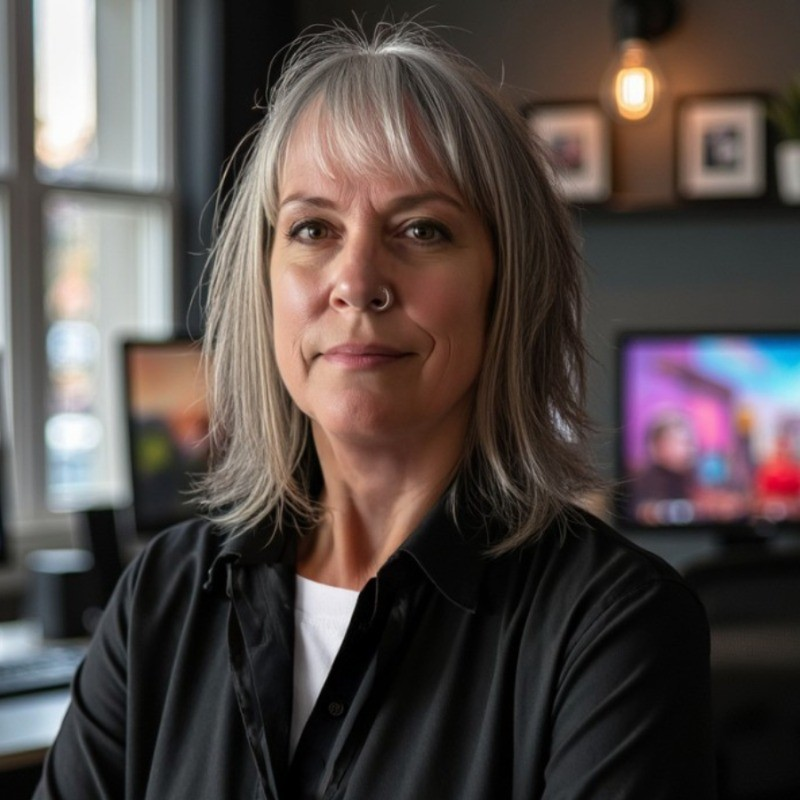
Recently, we had the chance to spotlight Willem Willemse, an active and contributing community leader and solo developer behind Idle Not Idle Games based in Johannesburg. He joined us to walk through his current project and share what it really looks like to build a game on your own.
His experience is honest, relatable, and a great reminder of how much goes into solo development.
“Everything I do is done independently.”
Willem’s journey is one many indie developers will recognize. He started with a focus on coding but quickly found himself taking on much more. Over time, that meant stepping into roles across programming, storytelling, art, and design. At a certain point, you are not just building a game. You are becoming the entire team.
Starting with Systems
In the early days of the project, the focus was on mechanics first.
“It was the coding part… and then I became the storyteller and a designer along the way out of necessity. To actually make a proper story, there needs to be some form of narrative experience. "
Breaking Down the Build
“There’s a roadmap of the basic requirements and tasks: art update, level design, skill systems, story integration, and playtesting feedback.”
Structured thinking like this helps solo developers stay organized when managing complex systems alone.
When Scope Meets Reality
Feedback like this pushed the need for more scalable systems.
“There are not enough encounters… not enough fights or enemies to fight. The entity system allows me to have far more NPCs in the world while it cuts down resource usage.”
The Reality of Resources
“If I can afford them, I’ll use them. It’s an affordability issue.”
Developers must often balance time, effort, and budget carefully; this is especially true with solo independent developers. There may be incredible tools out there that could make development far more efficient and shorten development time drastically, but often those tools do not fit the budget. Then one must find other ways to keep the timeline efficient.
Getting Feedback Is Harder Than It Looks
“I’ve had over 1000 people that have viewed and interacted with request and post, none of them actually open or play the project.”
Visibility does not always translate to engagement or feedback. Finding where your audience is, and how to engage them is a significant part of game development and yet is another hat for independent developers to wear. Finding a strong independent developer community is a great way to collaborate and get feedback from other sources as well.
Lessons Learned
- Planning before building saves reworking and designing later on.
- Feature creep is constant and finishing matters more than starting.
- Sometimes rebuilding is faster than retrofitting existing systems.
- Simple tools can be more effective than complex workflows.
- Technical constraints will shape player experience.
- Continuous learning is part of the process.
- Feedback is harder to get than expected.
- Confidence can be just as important as skills.
The Mindset Behind the Build
“I do not feel as skilled as I think I am sometimes.”
Self-doubt is common, but it is clear how much skill is gained through the process. Repeating the process for each project further reinforces skills as well, but every unfinished project leaves larger shadows for the next one.
Final Thought
Solo developers are not just building games. They are learning to design, create, and solve problems across multiple disciplines.
That combination of skills is rare, and it is what makes the indie community so powerful.