
GDC 2026: Maximizing Discovery: Lessons from Creators Shaping the Next 25 Years of Play
Developers share practical lessons on increasing visibility, reaching players, and sustaining engagement in the Xbox ecosystem.

As Xbox celebrates 25 years of play, one thing is clear: while the ways we play have evolved, the challenge of helping great games get discovered has never been more important, or more complex.
At GDC 2026, Xbox brought together a panel of seasoned creators to unpack what discovery really looks like in today’s crowded, always‑on marketplace. Moderated by Andrea Rene, the conversation featured insights from Marcus Morgan of Obsidian Entertainment, Matt Jeffery of Rebellion, and Xalavier Nelson Jr. of Strange Scaffold — creators who’ve launched everything from beloved first‑party franchises to acclaimed indie titles.
Across the discussion, a few core ideas emerged: discovery isn’t a single moment, it’s a long‑term relationship; community is as critical as launch timing; and platform capabilities, from cloud to Xbox Play Anywhere, can meaningfully change a game’s reach.
Discovery Starts Before Launch, and Never Really Ends
For many developers, discovery is often framed as a marketing initiative. But the panelists emphasized that it’s actually something that should be embedded much earlier, in planning, pitching, and even in how teams scope their games.
Marcus Morgan reflected on Grounded’s early success and how timing, intention, and readiness can create unexpected opportunities.
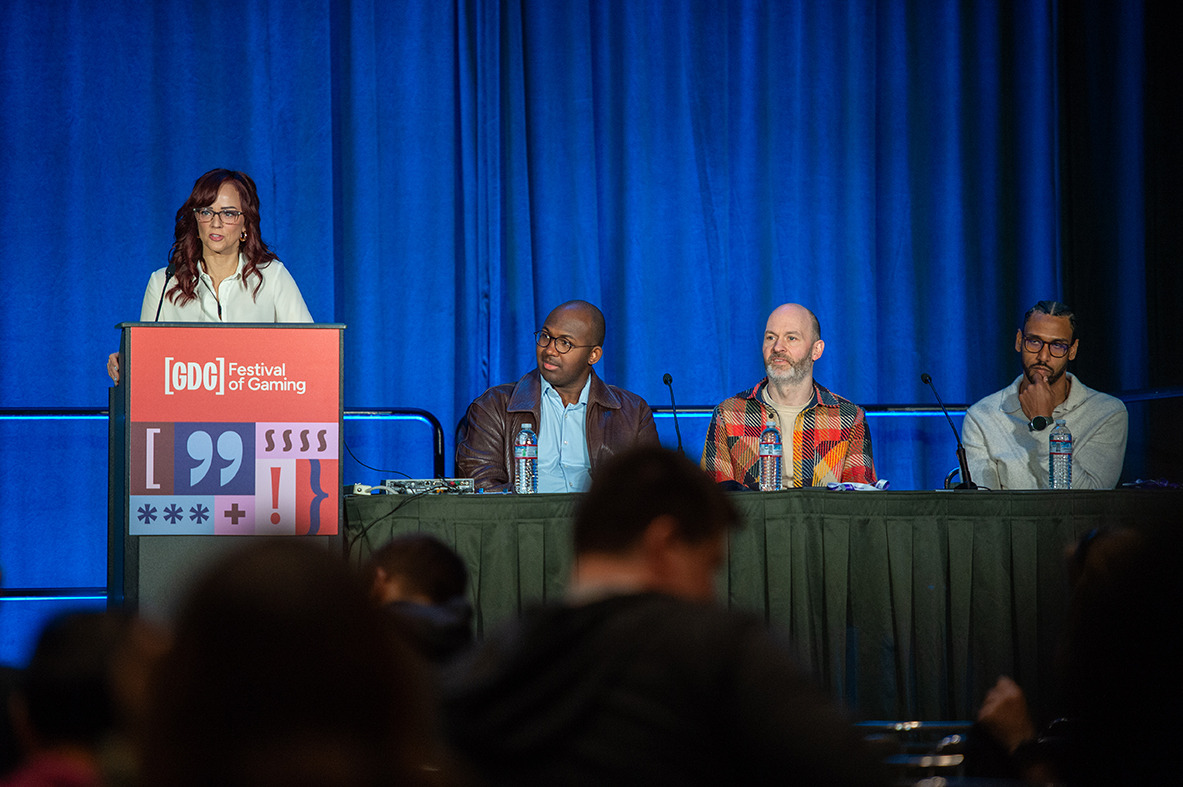
“Rod Fergusson used to lead the Coalition, and he always talked about this concept of ship date being a feature, and the timing and place where you show up being really, really important to helping make sure that you can maximize the amount of eyeballs on your game,” he said.
“I think the broader lesson is not to hope that something happens that gives you an opportunity to jump on it, but to be prepared and intentional about the timing of when you’re releasing your game, whether that’s being conscious of what the slate looks like for other games that are coming out, or just thinking about what you can attach yourself to.”
That intentionality extends beyond launch. Discovery continues after release through updates, community engagement, and the willingness to listen. As Morgan noted, early feedback - especially in the first days after launch - doesn’t just affect reviews, it can shape how platforms surface games to new players.
Know Your Audience and Talk to Them Authentically
Across studios large and small, one message came through loud and clear: you can’t make a game for everyone.
Matt Jeffery put it simply: “Who is your audience? That is a question everyone making your game should be able to answer. If you can’t answer that, it doesn’t matter if you are a coder, an artist, audio, whatever. If you can’t answer that one question, how do you expect people to know what your game is or where it’s going?”
For indie teams especially, Xalavier Nelson Jr. stressed that discovery is inseparable from community building, and that authenticity matters more than polish.
“When we talk about building communities, what we’re really saying is more than anything, getting people who care about you being here,” he said. “Do they care about this game? Do they care about your studio and your wider journey? Do they know it at all? Have you said it out loud?
That is a key part of how you maximize discovery. It’s your long-term investment and journey… People need to care at all for you to be able to access their attention, and for them to want to know what the next update of your game is.”
That means being honest about what a game is and isn’t, sharing intent with players, and meeting communities where they already are. Not every developer needs to be a streamer or creator, but genuine dialogue, whether through blog posts, social updates, or forums, helps builds trust over time.
Platform Tools That Expand Reach and Access
Another major theme was how Xbox’s ecosystem helps developers extend discoverability beyond consoles.
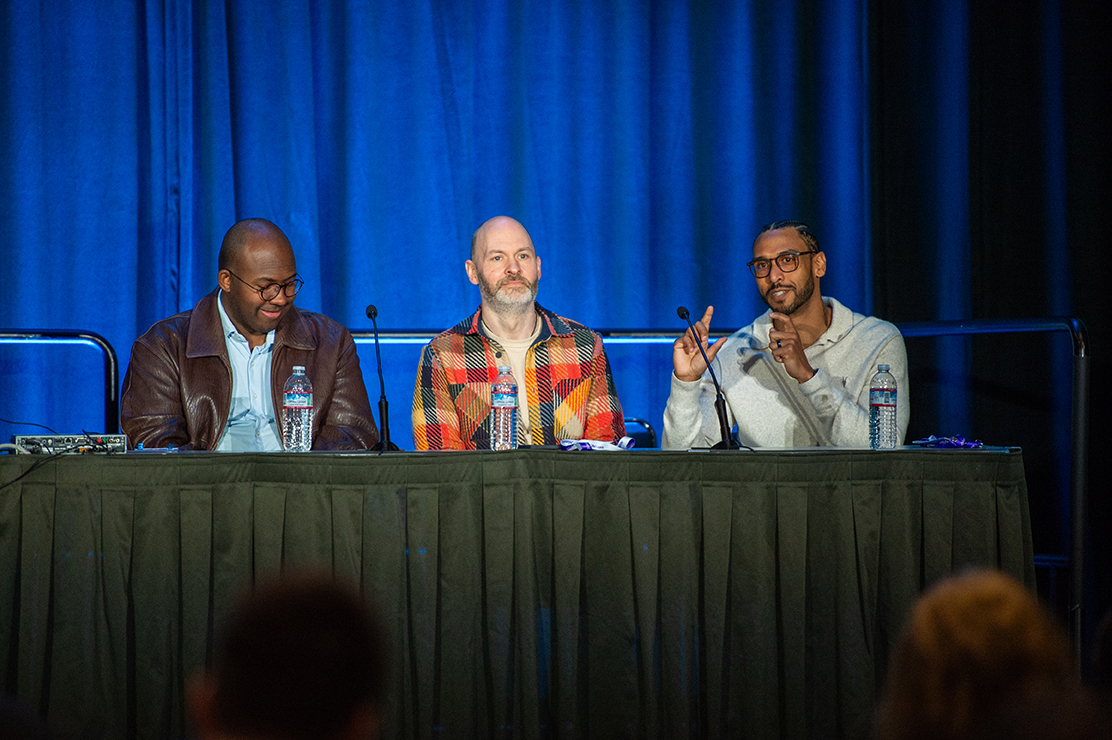
Programs like Xbox Play Anywhere, cloud streaming, cross‑save, cross-play and Game Pass aren’t just conveniences, they lower barriers to entry and invite players to try games on their own terms. Jeffery noted that cloud streaming often acts as a discovery tool in itself, letting players sample a game before committing to a download.
Morgan highlighted how cloud and Xbox infrastructure enabled Grounded to reach players across regions, expanding access without requiring additional hardware.
And for smaller teams, Xalavier shared how Xbox tooling can quietly shoulder more technical work behind the scenes - freeing developers to focus on creativity rather than reinvention.
Accessibility Is Discoverability
Perhaps one of the most resonant takeaways was the growing link between accessibility and discoverability. Features like font scaling, arachnophobia mode, and mobile‑friendly controls don’t just make games more inclusive. They make them easier to try, enjoy, and recommend.
As Morgan observed, accessibility improvements often create a ripple effect: more players, more conversations, more coverage and ultimately, more discovery.
Looking Ahead to the Next 25 Years
As the panel closed, the creators turned their focus forward. In an era of enormous backlogs and endless libraries, standing out means giving players a reason to care emotionally, creatively, and culturally.
“One of the things that is important to always keep at the forefront, though, is that whether I stream a thing, whether I play it on a handheld, whether I play it in front of my console or PC, something has to trigger. We are still making entertainment for people, and that needs to speak to someone in a particular way.” Morgan said.
“So when we go all the way back to knowing exactly who you are making this for, what you are trying to accomplish, what you are trying to say or do with that audience, those basics will transcend whatever new technologies come forth, whatever new platforms or screens we watch on. You still have to trigger that emotion that makes someone want to play something.”
That philosophy has guided Xbox for the past 25 years — from a single console in the living room to an ecosystem spanning console, PC, cloud, and beyond. And as creators continue to experiment, collaborate, and meet players where they are, discoverability becomes less about shouting louder, and more about building something worth finding.