
The Art & Science of Evergreen Games: How Minecraft and Candy Crush Keep Players Engaged for Decades
Exploring the operational, technical, and creative realities behind running two of gaming’s most enduring live services.

What does it actually take to keep a live service game thriving—not just for a few seasons, but for 10, 15, even 20+ years?
At GDC, leaders from King and Mojang joined forces to unpack one of the industry’s toughest ongoing challenges: how to evolve a live game without eroding the trust that made players fall in love with it in the first place. Featuring Eva Ryott, Head of Live Operations at King, Ryan Cooper, General Manager of Minecraft at Mojang Studios, and moderator Romain Jemma, Head of Gameplay for Candy Crush Saga, the panel explored the operational, technical, and creative realities behind running two of gaming’s most enduring live services: Candy Crush Saga and Minecraft.
Together, they offered a grounded look at how live games evolve into ecosystems—and why the decisions teams make today help determine whether their game still exists in five, ten, or even fifty years.
From Launch Event to Living Platform
A common early misconception about live service development is that most of the investment happens before launch. According to Eva Ryott, that assumption hasn’t held up.
“I thought that the bulk of the investment behind the live game really went in before our launch… and the game would last maybe a couple of years. And then, of course, over time, I learned—and we learned as an industry—that games can actually last for even decades by keeping it fresh and updated.”
The scale of that long-term investment is clear in Candy Crush Saga’s trajectory. What began with just 65 levels now features more than 22,000—each requiring careful balance, progression tuning, and technical support to maintain player engagement over time.
At Mojang, Ryan Cooper described a similar evolution in thinking around Minecraft—one that moved beyond a traditional update-driven model.
“Updating is pretty much the main mechanism by which you operate a live game… but now when I look back on that… it pales in comparison to the state that I think we’re in now where, especially at Minecraft, it’s so much more than a game now.”
Today, Minecraft encompasses a broad and diverse ecosystem that reaches far beyond a single game. It includes multiple editions (Bedrock and Java), alongside a dedicated Education Edition. The franchise also supports a massive global creator economy and is available on more than 20 platforms, reflecting its evolution into one of the most expansive and accessible gaming experiences in the world.
That expansion fundamentally changes how teams must think about updates—not as isolated content drops, but as ecosystem-wide events that can impact players, creators, and partners simultaneously.
Player Trust Is a Feature, Not a Byproduct
Longevity in live service games isn’t accidental. Both teams emphasized that sustained success depends on cultivating—and protecting—player trust over time.
At Mojang, trust has become a core operating principle.
“We obsess over it in everything we do… Building that trust starts with the moment you ask somebody to give you money for your product.”
One of the studio’s most deliberate decisions has been to provide Minecraft updates free of charge for over 17 years—an approach designed to reinforce long-term value for players and creators alike.
“We’ve been updating Minecraft for about 17 years now and we’ve never charged for an update. That’s been very deliberate because we want to maintain a strong relationship with our players.”
At King, maintaining familiarity while introducing novelty has become an equally critical balancing act.
“We have players who have played the game since it launched… ensuring that the game stays familiar but still fresh… we do that by listening to players.”
That listening spans telemetry, behavioral analytics, and qualitative insights—helping teams avoid breaking expectations for veteran players while still evolving the experience.
Delivering more of what players love – more content, more often
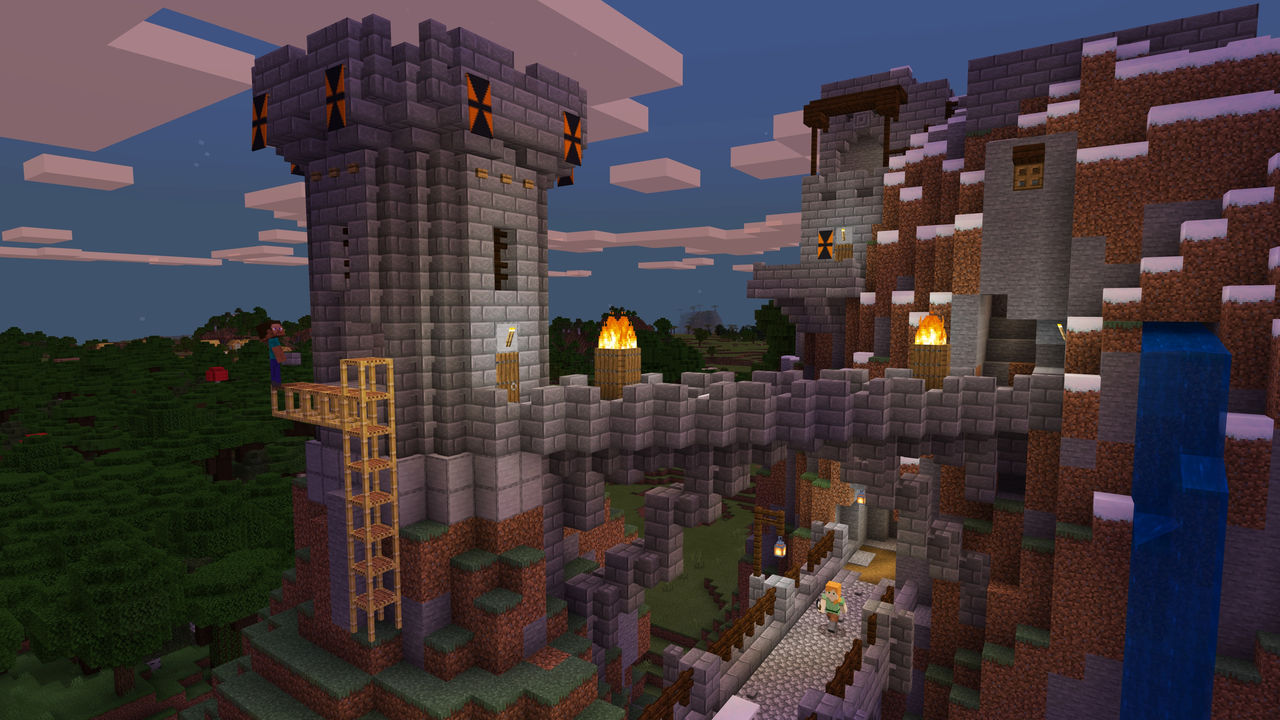
Minecraft’s ambitious Caves and Cliffs update marked a defining moment in the evolution of the game. It introduced sweeping changes to world generation—from new biome distribution to reimagined cave systems—fundamentally expanding how players explore and experience Minecraft’s worlds.
Beyond the scale of the update itself, the work reinforced something deeper about how a live game at Minecraft’s size operates today: complexity is not just a technical challenge, it’s part of a broader ecosystem. As Ryan Cooper explains, “we’re on over 20 platforms… and we have to be very thoughtful about how and when we release an update—what is that going to do and how is that going to compound across this true ecosystem?”
That holistic view—across platforms, creators, and players—has become central to how the team approaches development.
Caves and Cliffs represented a moment of learning, particularly as the team pushed forward large-scale engine and world-generation changes in parallel. Rather than slowing progress, these experiences helped sharpen the studio’s long-term approach to building sustainably at scale.
“If you have the time, spend the time up front… try and understand where all the areas are that could introduce complexity,” Ryan Cooper notes.
The Hidden Cost of ‘Simple’ Features
Even seemingly modest gameplay additions can demand years of foundational work in a decade-old codebase.
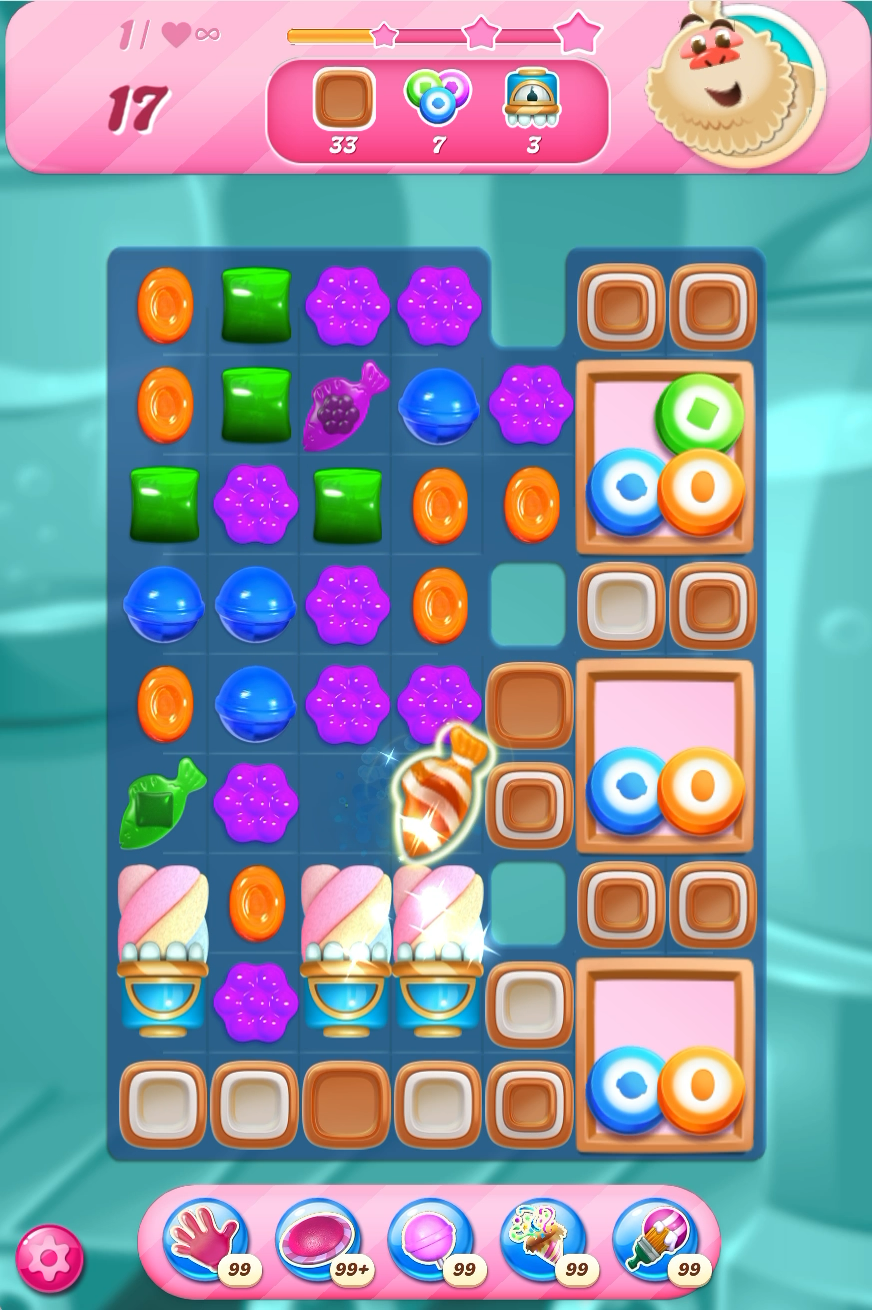
King’s introduction of the “fish” mechanic into Candy Crush Saga required two years of refactoring before development could even begin.
“We had a 10-plus year old codebase… we had to invest into refactoring… for two years before we could go ahead and build the 2x2 Fish.”
Beyond the technical implementation itself, the team confronted a set of equally complex design challenges. They needed to preserve a sense of mastery and familiarity for long-time players while simultaneously rebalancing difficulty across roughly 18,000 levels. At the same time, they had to build systems capable of automating tuning decisions across tens of thousands of unique gameplay scenarios, ensuring consistency and quality at scale.
Manual adjustments weren’t viable—ultimately requiring coordinated efforts between analytics, design, and engineering teams.
“We had to do around 60,000 or even more level tweaks… constantly rebalance difficulty.”
Early player feedback surfaced unexpected issues—including community reports that fish were targeting the wrong tiles.
“They were even referring to the fish as being drunk.”
That experience fundamentally changed how King approaches large updates today.
“We can’t approach it like we usually approach things: ‘let’s iterate… put an MVP out there and just fix it along the way.’ That doesn’t work with big updates like this.”
The Takeaway: Engagement Drives Retention
Ultimately, evergreen live services succeed by balancing agility with long-term planning—delivering innovation without sacrificing trust.
For Eva Ryott, that means staying deeply attuned to player needs:
“To earn longevity, you need to stay really attuned to your player audience… and never compromise on quality.”
For Ryan Cooper, the north star remains engagement:
“Engagement is the ultimate retention driver… how do you move as quickly as possible… without compromising your long-term outlook?”
In an increasingly competitive engagement economy—where games now compete with every form of digital entertainment—those decisions may determine whether today’s live service becomes tomorrow’s evergreen platform.